Today i come up with a lovely paper focusing specifically on improving DNA methylation “Potential reversal of biological age in women following an 8-week methylation-supportive diet and lifestyle program: a case series” .
It comes up an interesting concept, epinutrition (or nutritional epigenetic), that’s the specific set of food, compounds (and i’d add drugs) that specifically focus on improving the changes happening on DNA methylation and histone modifications.
“Epinutrients may be defined as dietary nutrients that provide either substrates or cofactors for DNA methylation activity or influence the expression or rate of activity of DNA methylation-related enzymes. Folate and betaine, for example, are cofactors in methylation biosynthetic pathways, alpha ketoglutarate, vitamin C, and vitamin A are ten-eleven translocation (TET) demethylase cofactors and modulators, and curcumin, epigallocatechin gallate (EGCG), rosmarinic acid, quercetin, and luteolin are known polyphenolic modulators of DNA methyl transferase (DMNT) enzymes “
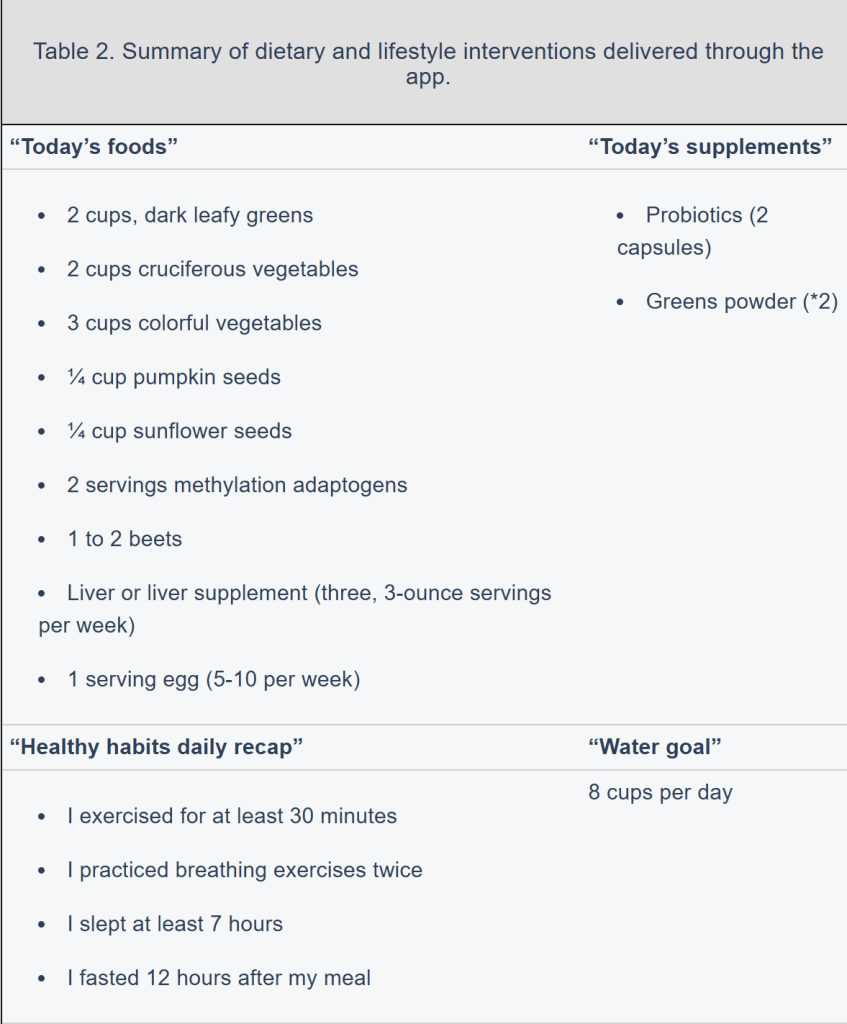
With additions to lifestyle changes in terms of nutrition and excercise (30min x 5 times a week), there was an average reduction in just 2 months of -4.6 biological age (with DnaM clock):
Also the paper Epigenetics: A New Bridge between Nutrition and Health highlight interesting Epigenetic nutritions agents:
Folate, vitamin B-12, methionine, choline, and betaine can affect DNA methylation and histone methylation through altering 1-carbon metabolism. Two metabolites of 1-carbon metabolism can affect methylation of DNA and histones: S-adenosylmethionine (AdoMet)5, which is a methyl donor for methylation reactions, and S-adenosylhomocysteine (AdoHcy), which is a product inhibitor of methyltransferases. Thus, theoretically, any nutrient, bioactive component, or condition that can affect AdoMet or AdoHcy levels in the tissue can alter the methylation of DNA and histones. Other water-soluble B vitamins like biotin, niacin, and pantothenic acid also play important roles in histone modifications. Biotin is a substrate of histone biotinylation. Niacin is involved in histone ADP-ribosylation as a substrate of poly(ADP-ribose) polymerase as well as histone acetylation as a substrate of Sirt1, which functions as histone deacetylase (HDAC) (1). Pantothenic acid is a part of CoA to form acetyl-CoA, which is the source of acetyl group in histone acetylation. Bioactive food components directly affect enzymes involved in epigenetic mechanisms. For instance, genistein and tea catechin affects DNA methyltransferases (Dnmt). Resveratrol, butyrate, sulforaphane, and diallyl sulfide inhibit HDAC and curcumin inhibits histone acetyltransferases (HAT).
Going further, there’s some widely accessible drugs knowing to bring a positive epigenetic changes, such as Glibenclamide that i am considering adding to my existing low-dose portfolio of T2D drugs (metformin, acarbose, semaglutide, SGLT-2i).
This post represent a quick summary to update my long supplement list to ensure to have all proper epigenetic improvements compounds.
 Hacking Biology
Leave a comment