-
A Data Driven Applied Aging Research Project
Hacking Biology (HB) is an applied research project that aim to bring a Do It Yourself (DIY) experimental protocol to address biological hallmark of aging.
While we are neither developing a Trial Protocol, neither doing hot science, the protocol develop arounds scientific finding (being earlystage or established, having already had human testing or only on other mammals) by identifying:
- Which biological effect do we want to trigger
- How the specific biological effect is achieved
- How the outcome of the Biomarker can be measured/compared
Inspired by the approach of Bryan Jonhson with a deep focus on measurements, HB target many specific biological KPIs (defined as Biomarkers) with the simplified therapeutic goal to bring them to a younger than chronological age equivalence.
The more the biological KPIs we can restore to a younger-than-chronological-age, then the healthier and slowed down aging we will face.
Many Doctors and Biologists would badly react upon the above assumptions, especially given the high complex interaction of a wide supplementing and therapeutical strategy, that may result in unexpected medical outcomes.
But this is an hacking project, means we need to get really applied, iteratively operating over the data and the corresponding scienfic indications and evidences to drive our goal to change several of our body numbers.
Tweaking with the low-level code of our biology is HB project goal, in a faster than medicine and cheaper than scientific trial way, doing it in following a logical, measurable and DIY-doable way.
HB’s founder and first guinea pig is Fabio Pietrosanti (naif), hacker, innovator, empreneur and open knowledge passionate, taking the effort and risks (yes, there are risks!) of applying protocol on himself during the development.
The project is made of few major components:
- Documenting research on the main aging targets
- Key area of our aging targets with established scientific references
- Exploration area, TODOs to be researched for use in the protocol
- Applied measurements (how to measure and what, the data!)
- KPIs with reference targets by chronological age and baseline
- How to collect the data (e.g. The blood panel to be given to your analisys laboratory)
- Safety KPIs to keeps under control unexpected behaviours
- Applied therapeutic activities
- Supplementing (NMN, Vitami B12, Quercetin, etc)
- Pharmacological threatments (e.g. Methformin, Urolithin, etc)
- Nutrition requirements (e.g. Calories restriction, Fasting 16/8, etc)
- Lifestyle requirements (e.g. High intensity interval training, Sleeping, etc)
- Specific therapeutic practices (e.g. Plasmapheresis, HBOT protocol, etc )
- Software to be built to manage multiple
- Measurements
- Therapeutics scheduling
- Therapeutic sourcing and coordination
- Procurement and Sourcing
- Selection and Database of Supplement suppliers
- Technical requirements for measurement laboratories (e.g. Blood panel, DNA methylase, etc)
- Technical requirements for therapeutic activities (e.g. Plasmapheresis)
- Hands-on practical experience in setting up everything
Project Presentation Slides
Work in progress (unstructured) “Protocol Planning” Spreadsheet.
-
Pills Management
Pills management when you starts having a lot of pills is a pain, especially if you are:
A) Lazy
B) Busy
C) Doing it yourself (not like Bryan johnson paying an entire team)
In such an non ideal-condition i feel myself very in-line with Dave Pascoe, and from that perspective i do plan to follow his “Supplement Management” approach.
I brough 30 of the 3XL weekly container for a daily uses purposes https://www.amazon.com/dp/B0000537JP .
I am now going to rework my compound and pills procurement sheet, to ensure there’s a little warehouse management and procurement (to know what to re-buy and when and in how much quantity), reaching the monthly scheduling/preparation for pills.
Will post updates when ready, also making a properly updated list of what’s being actively taken.
-
Nutritional epigenetic
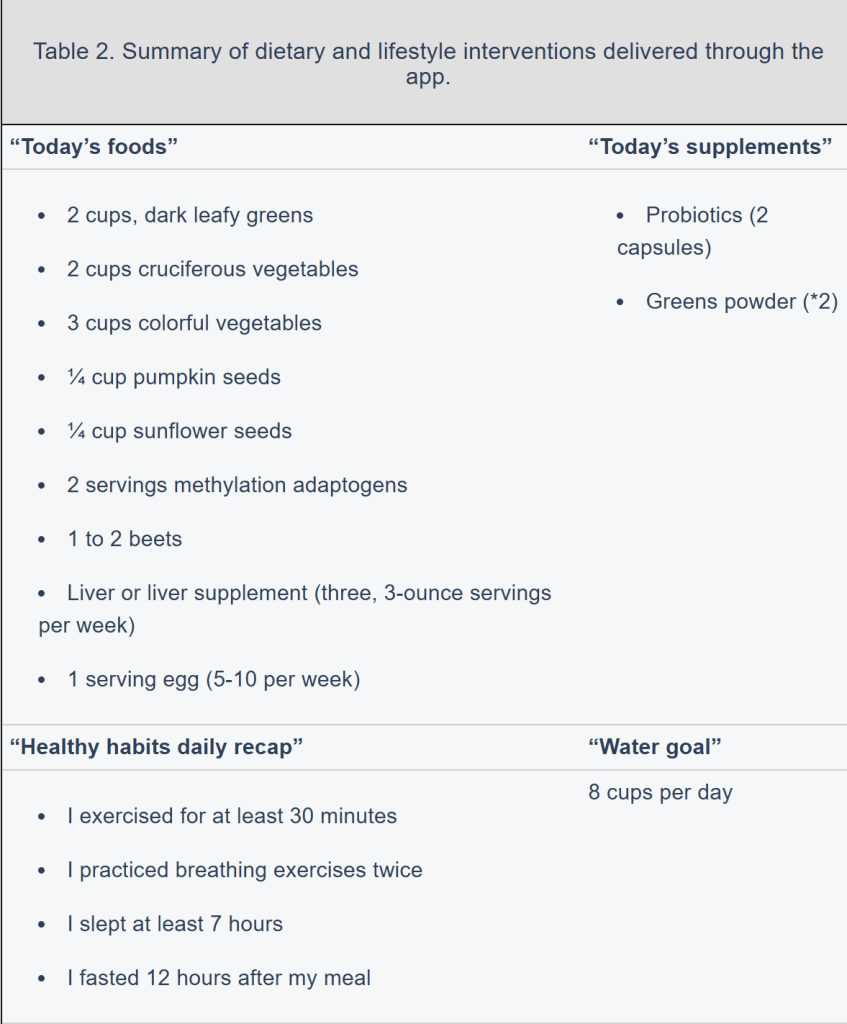
Today i come up with a lovely paper focusing specifically on improving DNA methylation “Potential reversal of biological age in women following an 8-week methylation-supportive diet and lifestyle program: a case series” .
It comes up an interesting concept, epinutrition (or nutritional epigenetic), that’s the specific set of food, compounds (and i’d add drugs) that specifically focus on improving the changes happening on DNA methylation and histone modifications.
“Epinutrients may be defined as dietary nutrients that provide either substrates or cofactors for DNA methylation activity or influence the expression or rate of activity of DNA methylation-related enzymes. Folate and betaine, for example, are cofactors in methylation biosynthetic pathways, alpha ketoglutarate, vitamin C, and vitamin A are ten-eleven translocation (TET) demethylase cofactors and modulators, and curcumin, epigallocatechin gallate (EGCG), rosmarinic acid, quercetin, and luteolin are known polyphenolic modulators of DNA methyl transferase (DMNT) enzymes “
With additions to lifestyle changes in terms of nutrition and excercise (30min x 5 times a week), there was an average reduction in just 2 months of -4.6 biological age (with DnaM clock):
Also the paper Epigenetics: A New Bridge between Nutrition and Health highlight interesting Epigenetic nutritions agents:
Folate, vitamin B-12, methionine, choline, and betaine can affect DNA methylation and histone methylation through altering 1-carbon metabolism. Two metabolites of 1-carbon metabolism can affect methylation of DNA and histones: S-adenosylmethionine (AdoMet)5, which is a methyl donor for methylation reactions, and S-adenosylhomocysteine (AdoHcy), which is a product inhibitor of methyltransferases. Thus, theoretically, any nutrient, bioactive component, or condition that can affect AdoMet or AdoHcy levels in the tissue can alter the methylation of DNA and histones. Other water-soluble B vitamins like biotin, niacin, and pantothenic acid also play important roles in histone modifications. Biotin is a substrate of histone biotinylation. Niacin is involved in histone ADP-ribosylation as a substrate of poly(ADP-ribose) polymerase as well as histone acetylation as a substrate of Sirt1, which functions as histone deacetylase (HDAC) (1). Pantothenic acid is a part of CoA to form acetyl-CoA, which is the source of acetyl group in histone acetylation. Bioactive food components directly affect enzymes involved in epigenetic mechanisms. For instance, genistein and tea catechin affects DNA methyltransferases (Dnmt). Resveratrol, butyrate, sulforaphane, and diallyl sulfide inhibit HDAC and curcumin inhibits histone acetyltransferases (HAT).
Going further, there’s some widely accessible drugs knowing to bring a positive epigenetic changes, such as Glibenclamide that i am considering adding to my existing low-dose portfolio of T2D drugs (metformin, acarbose, semaglutide, SGLT-2i).
This post represent a quick summary to update my long supplement list to ensure to have all proper epigenetic improvements compounds.
-
Increasing oxygen while sleeping?
From the paper Hyperoxia enhances slow-wave forebrain states in urethane-anesthetized and naturally sleeping rats i’ve learned that increasing oxygen while sleeping seems to be improving sleep, clearing out metabolites from te brain and all in all increase the slow-wave status that consolidate memories, muscle crow and protein reforming.
The summary paper of the paper is Resting easy: Oxygen promotes deep, restorative sleep, study shows .
So i come up exploring the world of people having problem sleeping, and there’s a wonderworld of threatment with oxygen sleeping machine that could be used in the context of biohacking.
I’m now just exploring this area dumping in this post the search, there’s a bunch of companies such as sleeplay providing a lot of canula, tubex, oxygen generator machines, masks for people with sleep problems.
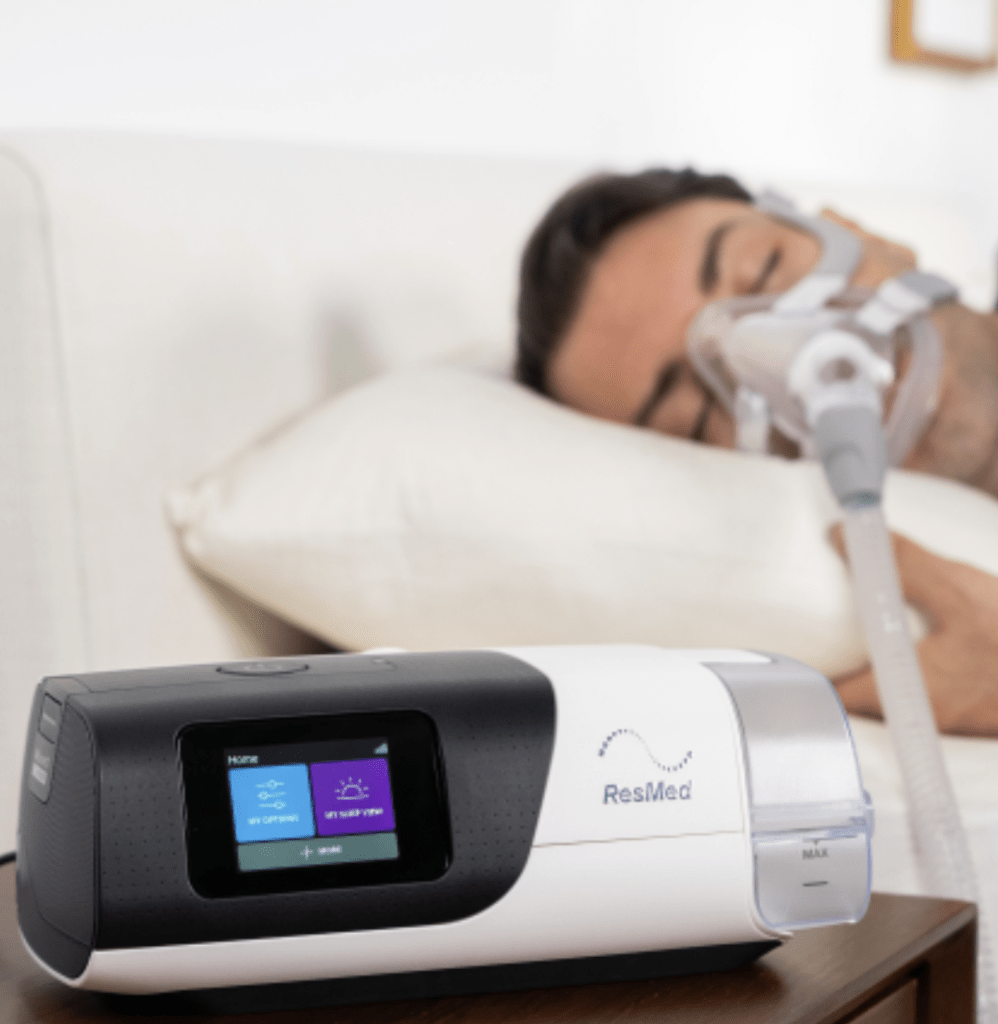
My first concern come up to: Do i want to sleep with a mask? Is that confortable? It would be like this:
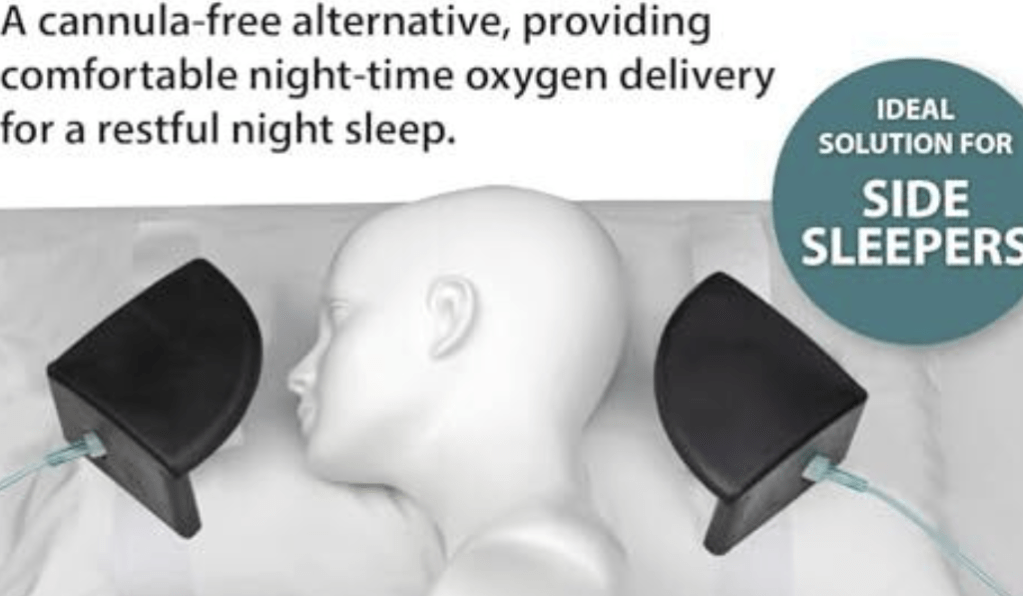
So i found out a possible solutions with a mask-free injector of oxygen by this company oxyllowsystem that we can just put on the pillows like this:
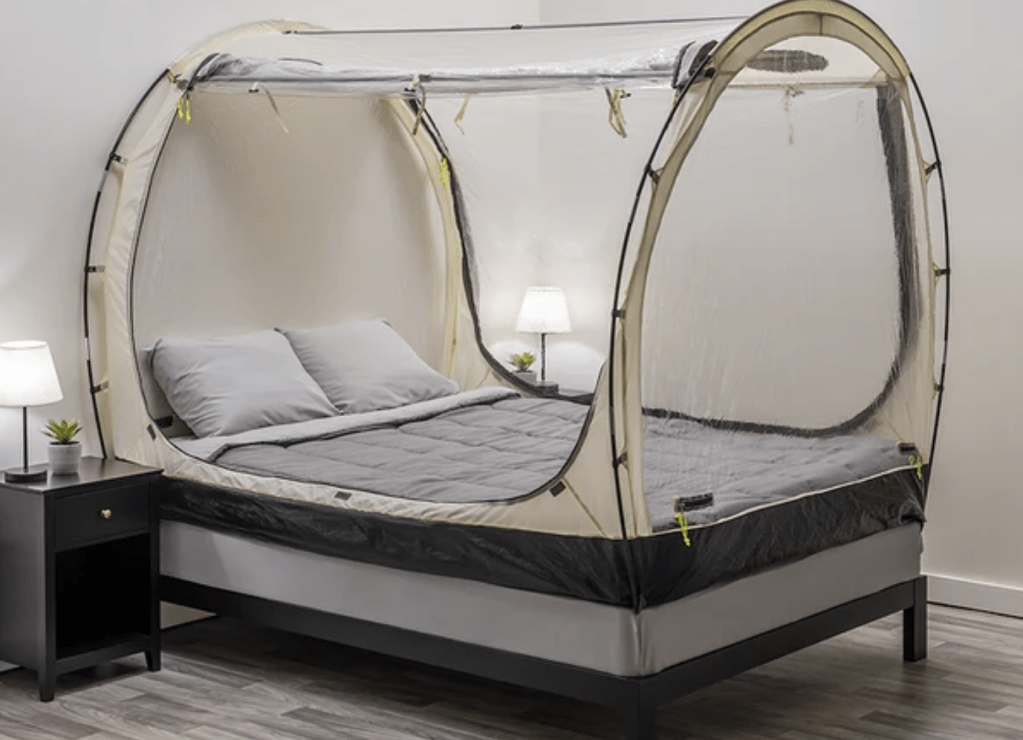
It could also be possible to uses so call “altitude tent” that climbers uses to do the opposite, reduce the oxygen to create a mountain/altitude condition hypoxia (less oxigen) state while sleeping, such as those hypoxico company sell, but doing it with could means increasing risks of fire, and it could prove to be unpleasant to burn into the bed because a little electricity spark comes from the light on the side-bed-room, so maybe not worth it for a first testing:
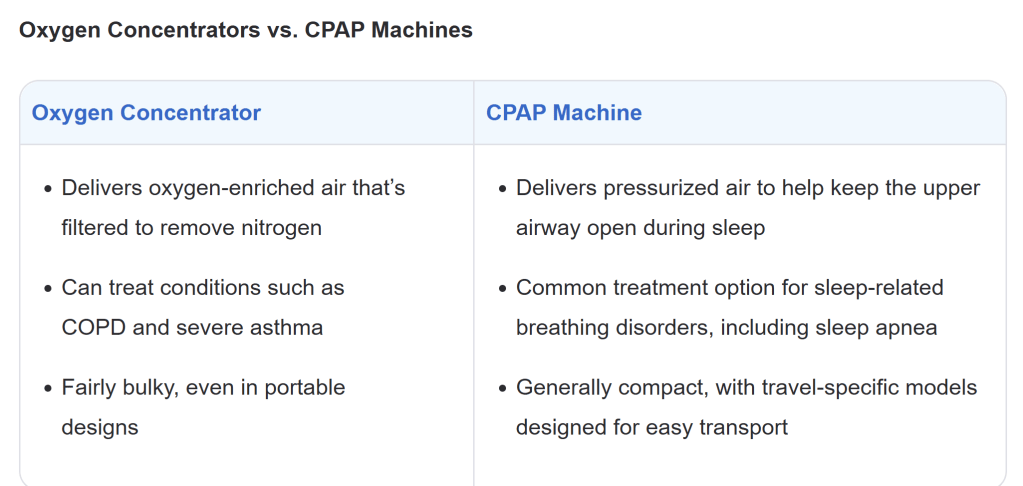
Then we have to generate oxygen, and on this other company i found a nice explaination of difference between Oxygen Concentrator vs. CPAP machines that’s worth reading to come up with which is the right oxygen generator to uses:
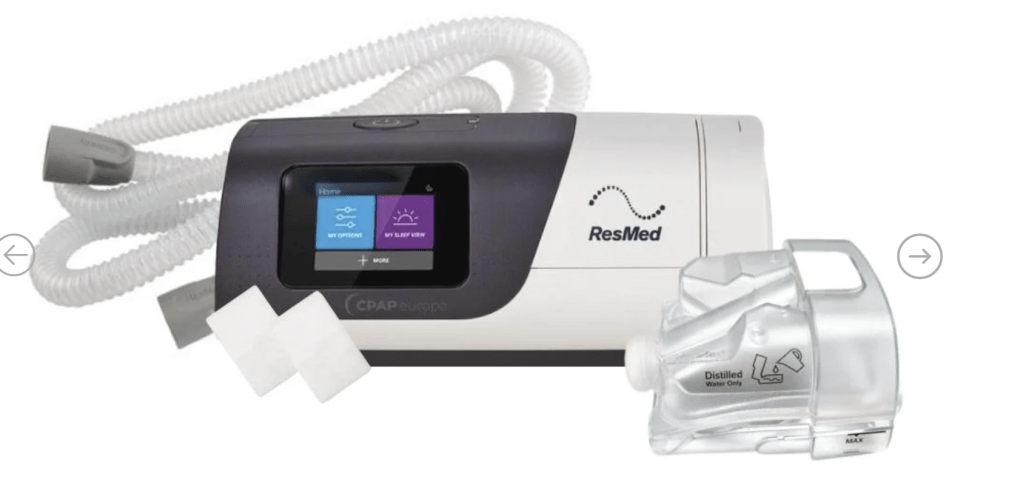
A CPAP Machine it’s a device like this, relatively easy to stay on the side of the bed:
Oxygen Concentrator are device like this:

Still have to dig enough to understand, for such an experiment, what’s the best to buy.
Furthermore we would need to monitor how it does change our sleep.
For this we have to do two things:
A) Monitor sleep results: i’m already using a Garmin for sleep monitoring, activating a featured called “Advanced Sleep Tracking” . What we should expect is to have a reduced REM sleep but increase deep sleep time, according to the research paper.
B) Measure the oxygen in our blood with an oximeter. You can also buy a Garmin watch that does include SPO2 measurement, with a parameter that can be activated to measure oxygen saturation during sleep. Otherwise I found a professional sleeping monitoring toolkit but it could be valuable any kind of “night oximeter” that you can find on Amazon where the oximeter measuring oxygen saturation is stick to the finger in a confortable way such as:

Once i implement it, i will post the results.
Always remember, what we are looking is not to just increment Oxygen (that over a long time maybe toxic) but to create alternation of Oxygen higher level (hyperoxia), then dropping to normal level (normoxia), so that you hack your biology into thinking it went in low oxygen condition (hypoxia) leading to HIF-1 activation.
This is called The Hyperoxic-Hypoxic Paradox .
It’s then very relevant to program the Oxygen Concentrator to modulate the flow in an alternating way, for instance the
If in the meantime anyone want to try it out and share their experience, it would be lovely.
Posted a thread on Rapamycin news forum for followup.
-
Many protocols for many pills
In the longevity ecosystem there’s way more protocols defined that could be taken inspiration, other than just Bryan Johnson and here’s my review in addressing my own development.
Danielle Wis reached the #1 spot on Rejuvination Leaderbord at 34yo with own protocol with a 5 of pills all from Renue by Science and focus on 11 biomarkers. He’s specifically looking at reducing telmere attrition and epigenetic dysfunction.
Joe Coen, also CEO of SelfDecode, take around 160 supplement and some 15 drugs, report to measures +300 biomarkers (but can’t find publicly his list)
Davide Pascoe (i like him a lot!) focus on all key hallmark of aging taking around 150 pills (see photo) with full supplements and prescription drugs here.
Peter Diamandis, Chairman of X Prize Foundation, own protocol.
That’s my work in progress for drugs and supplements, it’s an ongoing research and is getting structured month by month.
I do plan to work on it, including an extensive comparison with above mentioned biohackers, with the aim to make a comprehensive and wide set coming from the experience of all and trying to dive into the complexity of pills management (that includes procurement, organization and supplementation).
-
Measurements of biological age
The measurement of biological age can be done with many different way, this article provides the set of data we are going to uses in hackinbgiology:
GlycanAge: Cell aging affects glycosylation of immunoglobulin G (IgG) aging
TruDiagnostic: DNA Methylation, changes in epigenetic patterns, can be measured with multiple “biological clock” algorithm:
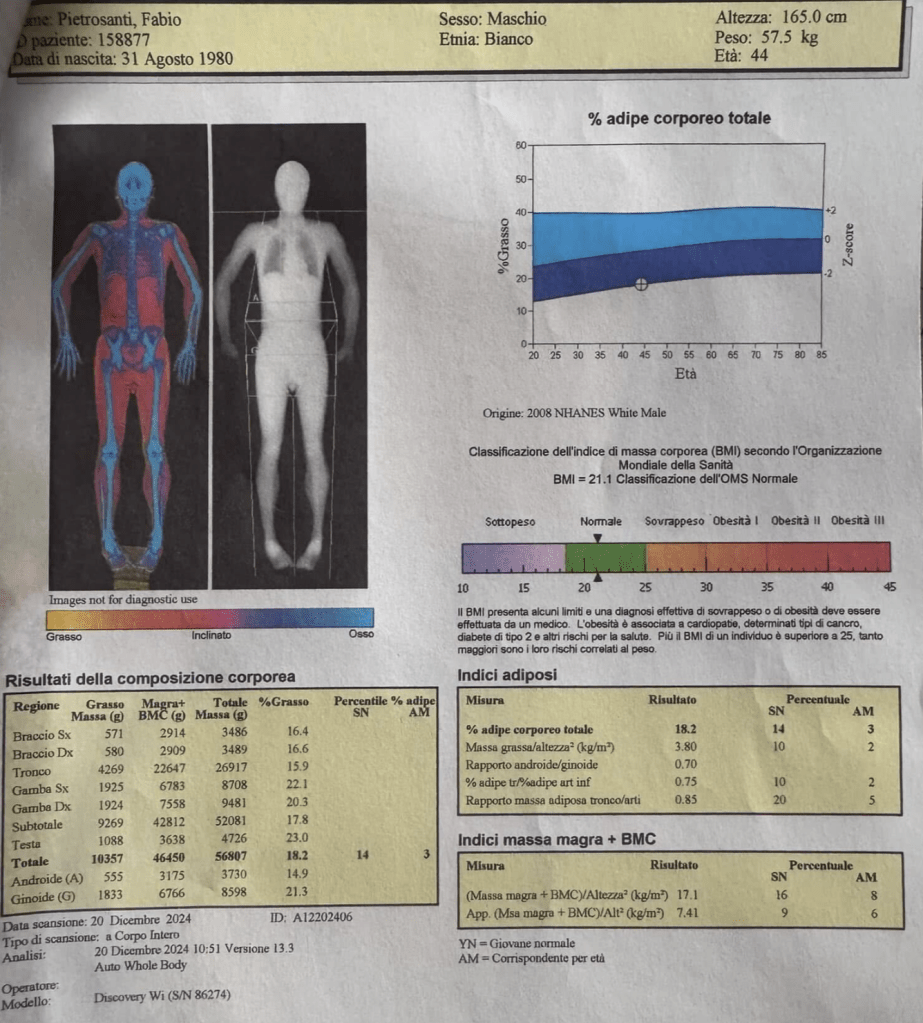
Moc Dexa Total Body: Body Fat Age-Matched Percentile
GlycanAge Report 05th February 2025 (-16 years):
Body Composition 20th December 2024:
- 3th percentile Age Matched
- 14th Percentile Young Healthy
-
Glucose and Rapamycin for Anti-Aging
It’s pretty clear that aging slowdown is directly related to the reduction of glucose in our blood and that Type-II diabetics drugs, almost all, bring in mammal experimentation a lifespan increase (Metformin, GLP-1 inhibitors such as Semaglutide/Liraglutide and Acarbose)
It’s pretty clear that senolytics effects of AMPK-metabolism, is what drive cleanup of senescent cells.
It has precisely identified the relationship between AMPK and Glucose levels:
“There are many biology observation of relationship between AMPK and Glucose levels, in bi-directional influence, but not a specific anti-aging protocol outside the fact that all diabetes type-II treatments increase lifespan. On the AMPK-Glucose relationship you can see AMP-activated protein kinase signaling in metabolic regulation”
Low level of glucose in blood givens the body understanding of being in a starvation mood, leading to AMPK release and increase of autophagic process.
Furthermore the leading drugs for longevity increase, Rapamycin, take care of inhibiting mTORC1, always associated with lifespan increase:
Low level of glucose, lead to inhibition of mTORC1:
“when glucose levels are low, mTORC1 is inhibited, in turn leading to the repression of numerous anabolic processes, sparing ATP and antioxidant”
Who takes Rapamcyin as a drug for the purpose of lifespan increase, experience an increase in insuline resistance, basically a “Rapamycin diabets” that can be really damaging. Sirolimus lead to Pancreas’s B-cells dysfunction and death, leading to diabets.
The good news is that glucagon-like peptide-1 receptor (GLP-1R) receptor antagonist, such as the well knows Semaglutide and Liraglutide T2D and weight-losing drugs, reduce such an effect.
By this assumptions, any Rapamycin mTORC1 inhibition longevity therapy should first starts lowing Glucose with existing longevity-increase T2D drugs (that already inhibits mTORC1) such as GLP-1R antagonist, Metformin and Acarbose and only once the glucose-level has been seriously lowered (my target is “slighly above hypoglicemic-level), then introduce Rapamycin.
Discussion on Rapamycin News forum for updates.
-
HBOT Protocol for aging
Hyperbatic Therapy with alternating hyperoxic oxygen administration has been proven to provides important benefits:
- Telemere increase
- Immunosenescence decrease
- Blood Cells senescen
Famous researcher Shai Efrati, made up Aviv Clinic where i went visiting in Dubai that provides the HBOT threatment with intermittent hyperoxic oxigen protocol, with a lot of measurements to evaluate the effective of telemere increase and extra-vascularization in the brain and other tissues via MRI.
You have to stay there for 3 months and bring around $130k + local cost of living, that’s very cool but not doable for me.
The purpose of this section is to keep tracks of setting up the Shai Efrati / Aviv Clinic HBOT protocol with your nearby HBOT-enabled center.
A couple of research paper to let the reader get deeper in the process:
- Hyperbaric oxygen therapy increases telomere length and decreases immunosenescence in isolated blood cells: a prospective trial
- “In conclusion, the study indicates that HBOT may induce significant senolytic effects including significantly increasing telomere length and clearance of senescent cells in the aging populations.”
- Hyperbaric oxygen therapy: future prospects in regenerative therapy and anti-aging
- “The intermittent HBOT treatment cycles create hyperoxic-hypoxic paradox, i.e., the body experiences a state of hypoxia without its hazardous effects and induces protective mechanisms in response to hypoxia. The fluctuations in tissue oxygen levels initiate a regenerative mechanism and direct the oxygen supply to the tissues where it is most needed. The extra oxygen supply is utilized in the process of healing, tissue repair, rebuilding and regeneration.”
Aviv Clinics HBOT for Anti-Aging
Aviv Clinics do implement Shai Efrati research on HBOT, i’ve been there in 2022 and their 3-months threatment for $130k was including 3 or 4 HBOT session with intermitent oxygen, plus a numbers of measurements (MRI, Blood, DNA).
I argue that HackingBiology should document the protocol being realized by Shai Efrati in research and for Aviv Clinics, to be doable at our own local HBOT Center.
The plan should be to describe the technical specification of the protocol and provide it to own local HBOT Center for implementation.
Intermittente Hypoxia-Hyperoxia Training as alternative to HBOT?
A very interesting alternative, to be analyzed in depth and in comparison to Intermittente HBOT, is the Intermittent Hypoxia-Hyperoxia Training (IHHT) whereby the oxygen modulation is provided at normal pressure.
Thanks to Manlio Lo Giudice from Zero Club community for the lead as alternative from HBOT (that have less accessibility, costs and greater contraints such as not being able to uses any electronics).
To starts learning i’d go Effectiveness of Intermittent Hypoxia–Hyperoxia Therapy in Different Pathologies with Possible Metabolic Implications
In Italy i am looking forward different HBOT Centers for my protocol practice
Centro Medicina Iperbarica Policlinico Umbero I (Rome)
ICOT Medicina Iperbarica (Latina)
-
Project Update July 2024
During the 2023 the study has progressed and the 2024 has been the startup of basic experimentation with:
– practical understanding on taking a lot of pills and measuring it (doing it in agile way, before going structural)
– making a bunch of exams and refine the exams and data needed to collect
– understanding of the basic underlying body issues to be tackled down
– understanding the effective costs
– addressing the issues of dealing with a pharmacy (without a doctor)
– experiencing buying medicine from abroad (india) and dealing with customs
That has become my morning breakfast, enjoying social media sharing to friends:

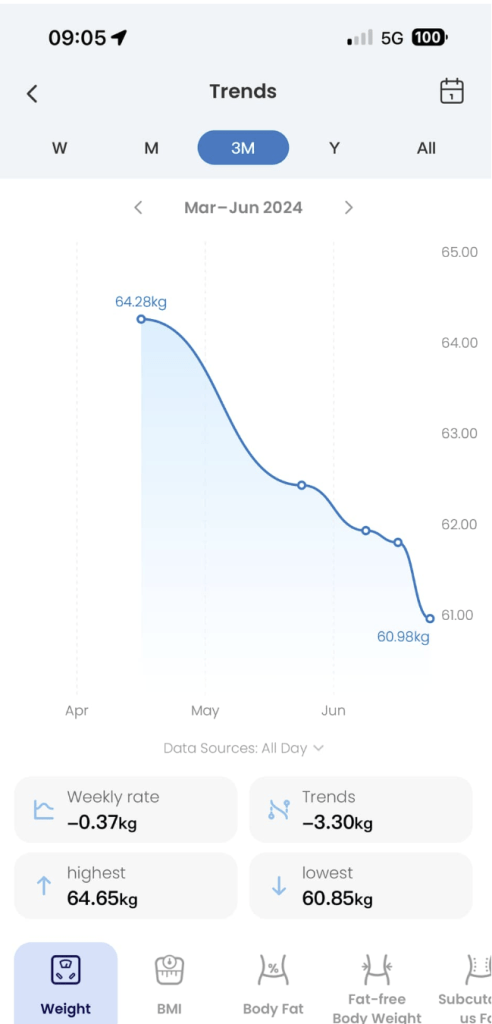
When you starts to measure yourself you have to fix the little bunch of stuff that are not really “aging slowdown” but just healthy fine tuning, so while i’m not overweight i’ve decided to target a weight reduction with some basic measurements:
Once you just remove in easy way your extra weight and you want to optimize, while staying Lazy like i am, you need to knows yourself better, so i introduce a MOC Dexa Total Body exams to knows about my body composition:


From here it’s pretty clear that i have some “bones fraility” (worth to check my vitamin D status in blood panel), that my body fat is still too high to be “fit” and that my left leg have +2% body fat that my right leg.
Interestingly to loose weight i’m doing nothing but simple and lazy calories restriction, with a BMR at 1450 kcal/day and a lazy lifestyle leading to a requirement of 2100kcal/day i’m just maintaining a restriction of -500/-700 kcal/day leading by making a screenshot of what i eat, sending to ChatGPT and asking how much calories are in the plate (sorry it’s in italian):

Funny things it seems like i’m fit an go to the gym while i’m very lazy:
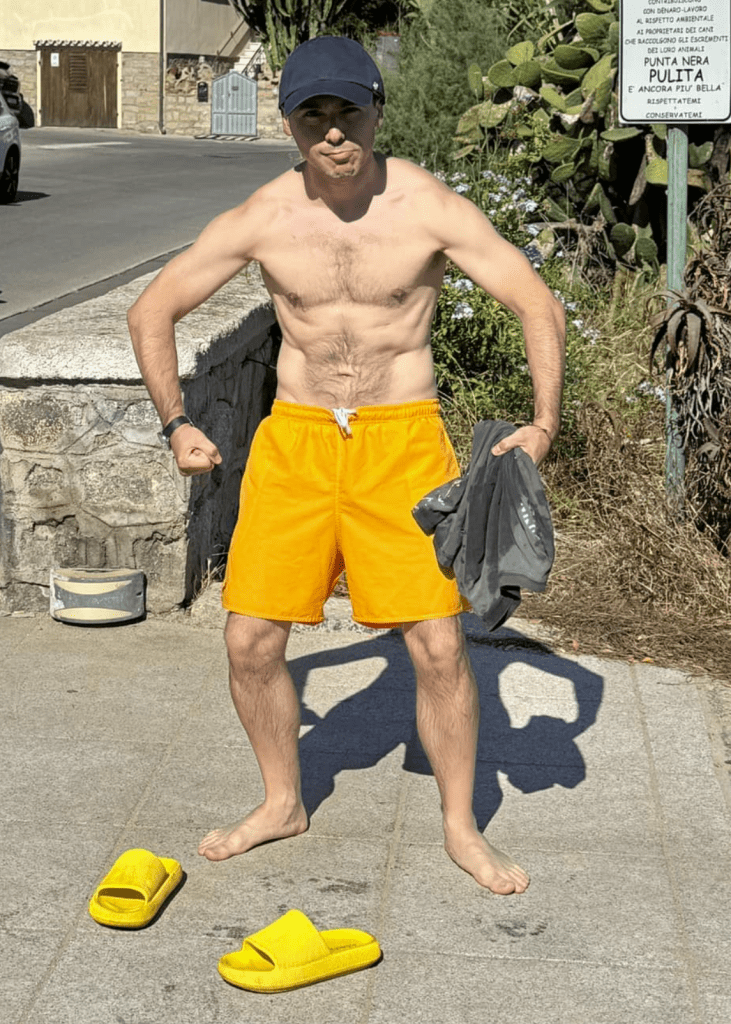
So i come up to have a first wide blood panel, that i plan to refine increasing some data, and to bring in structured data to be collected monthly:


What it come up from this analysis after all?
a) I have a pre-diabetics status of 5.7% of HbA1c, for which the national health system in Italy does not provide any remedies, even tough i’m taking metformin (part of the longevity cocktail mix being developed and applied to me)
b) I have a deficit of Vitamin D, confirmed by the Body composition analysis, that do require me to starts introducing supplementation of Vitamin D and K2
c) I’m taking too much Vitamin B6, B12, C and that’s the results of the mix of supplements i’m taking just now that require a re-balacing (next post will present online the spreadsheet with micrograms calculations and sourcing i’m following)
My blood panel lacks still the following measurements:
- Thyroid (TSH – T4 – FT4)
- Liver
- Estrogen
- Cortisol
- Albumin, Birulin
- Transaminasi (AST / ALT)
I will increase those, even tough the costs for such a bunch of blood exams sounds pretty high, more than 258 euro:
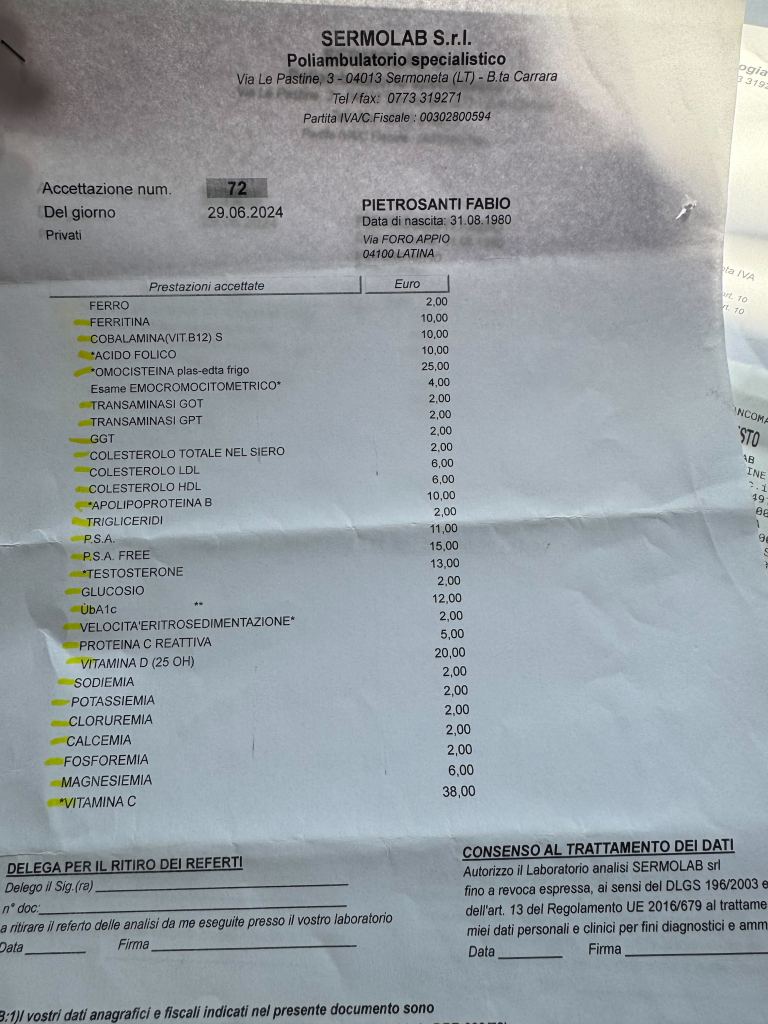
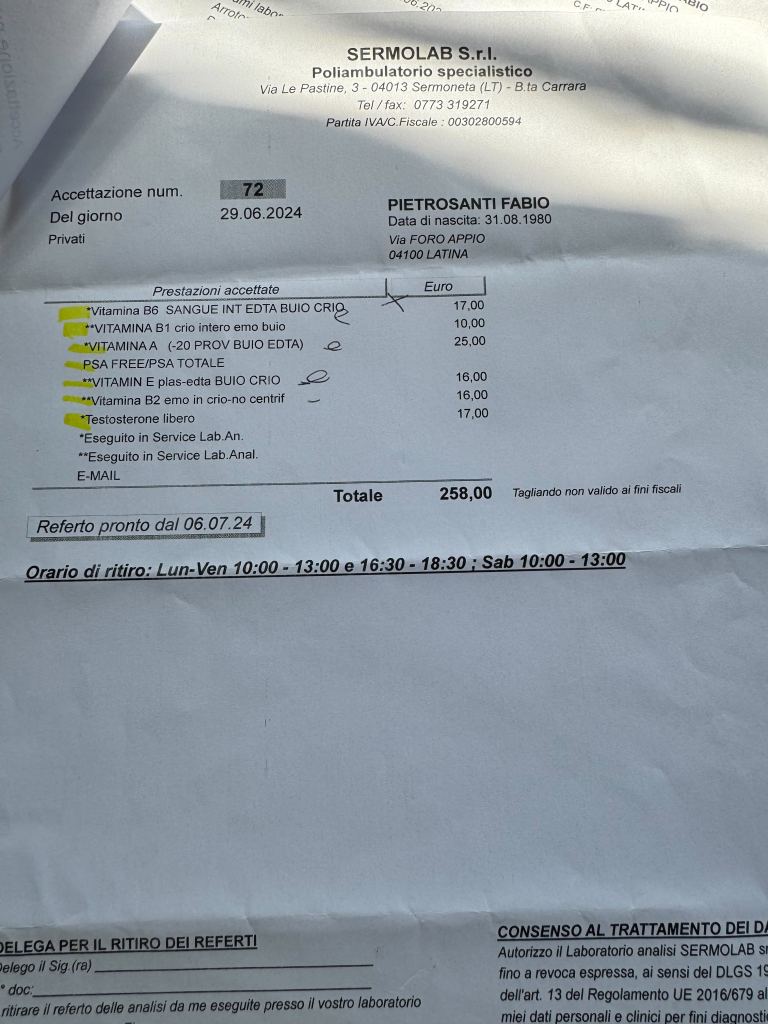
Next post i will review the current supplement strategy and upcoming pharmaceutical strategy.
-
Software Review
This page aim to collect an unstructured, later to become structured, review and list of software and software libraries that can be used to:
- Manage collection of exams results (Simple and elaborated Biomarkers)
- Manage the ongoing tracking of multiple sampling over time
- Collect therapeutics used in a research and/or DIY protocol
The mapping is done by analyzing both proprietary and free (open source) software, including SAAS (software as a service) and ones to be installed.
Platform (Thanks Manlio Lo Giudice 07/01/2024)
Free software libraries
- Curated List of Biomarkers
- BioAge (lemera-Doubal Method (KDM) biological age, phenotypic age, and homeostatic dysregulation)
-
Subscribe
Subscribed
Already have a WordPress.com account? Log in now.
 Hacking Biology